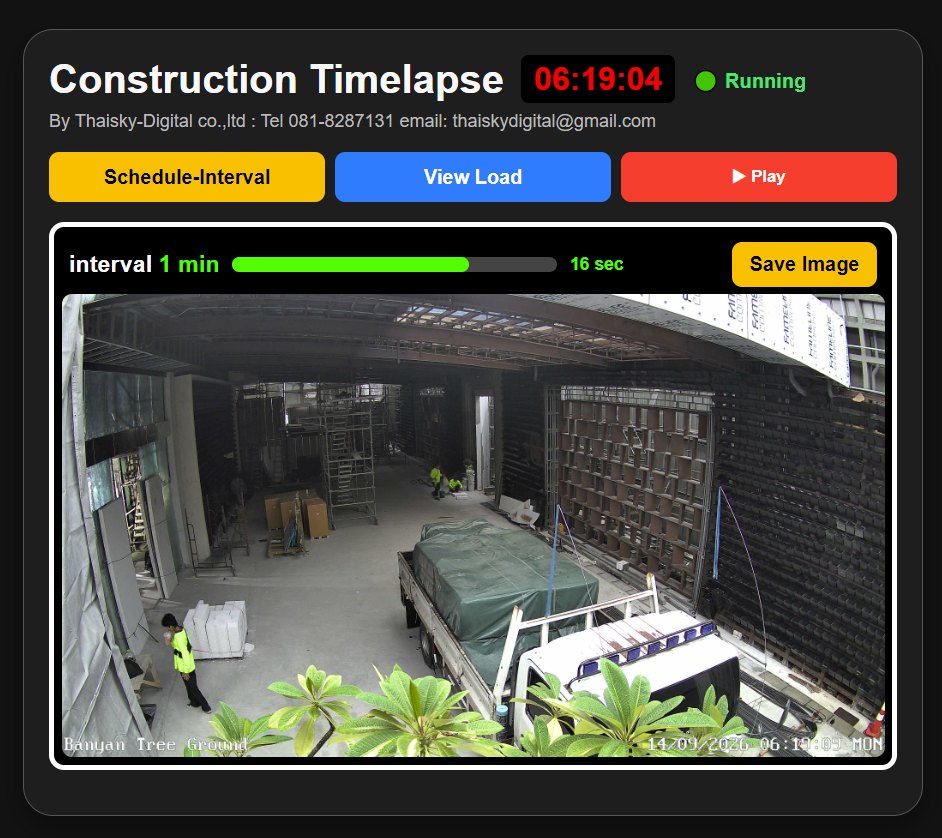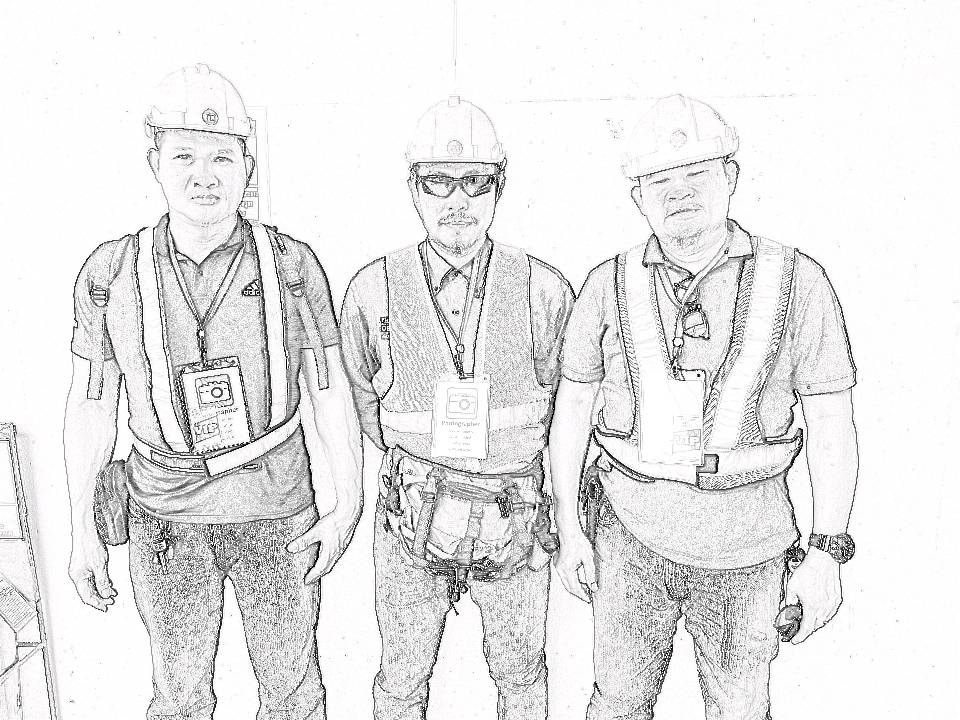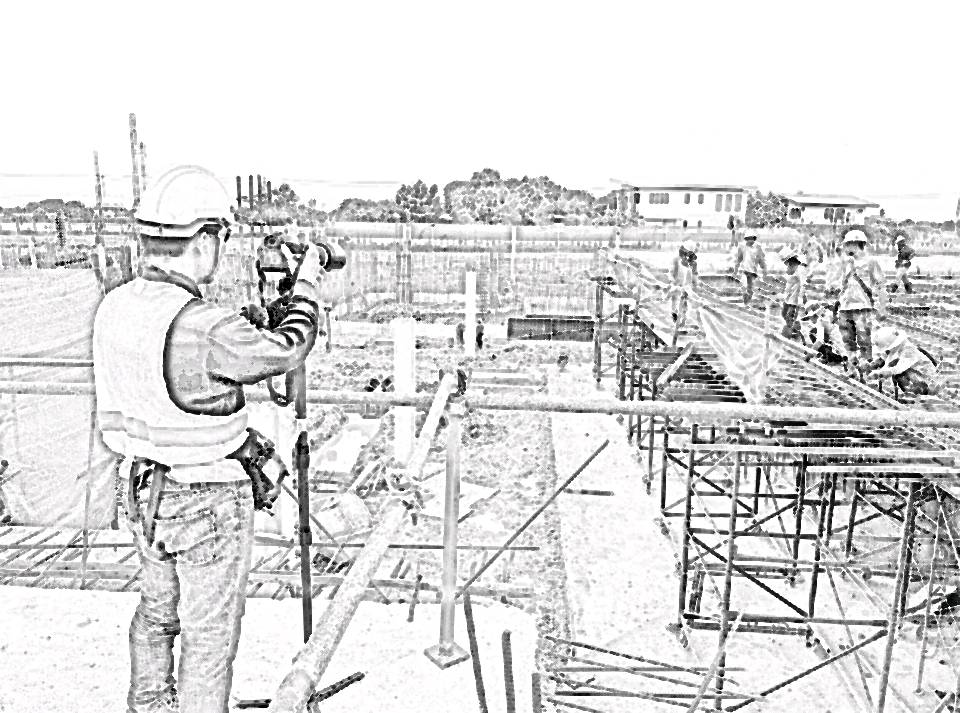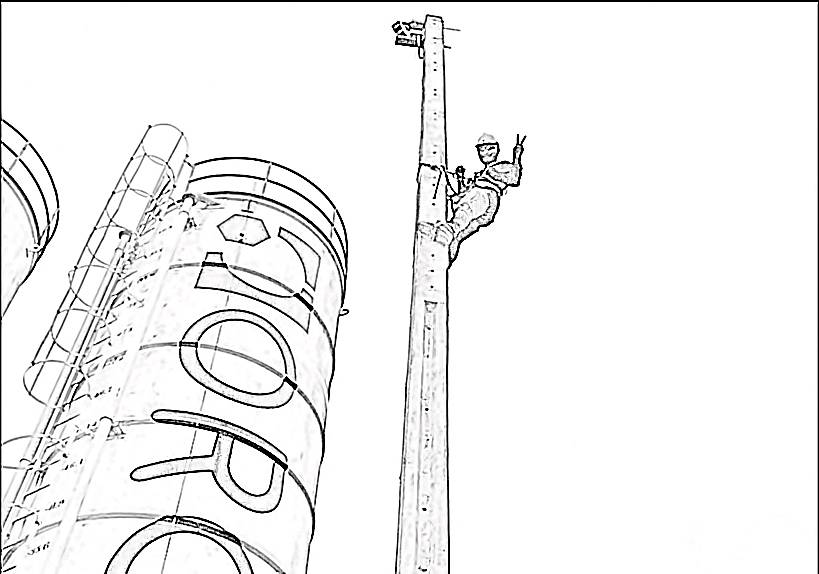





A construction project only moves forward. If the recording fails for a month, that month is gone for good — no budget brings it back. For twenty years we have designed everything around that one fact.
We were the ones who started
Thaisky-Digital was the first in Thailand to shoot from height using kites, balloons and radio-controlled helicopters, and the first to bring drones into commercial photography.
Each time no tool on the market would do the job, we built our own. The construction time-lapse system we run today came out of the same habit.
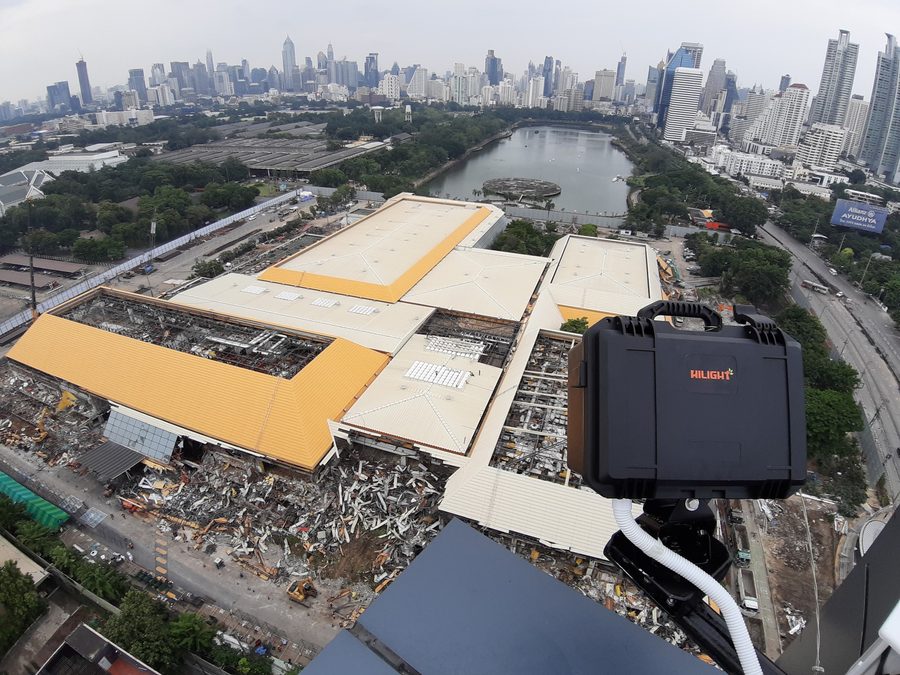
We record still frames, not video
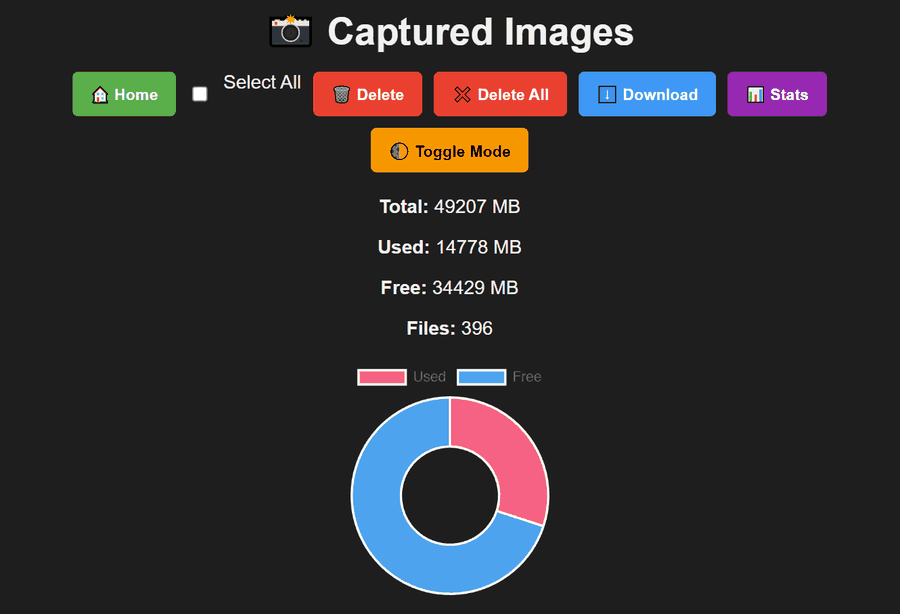
The common approach is to leave a camera recording video and speed it up afterwards. It works, but a year of video is an enormous file, every re-edit means processing all of it again, and worst of all a camera fault mid-month can take the whole file with it.
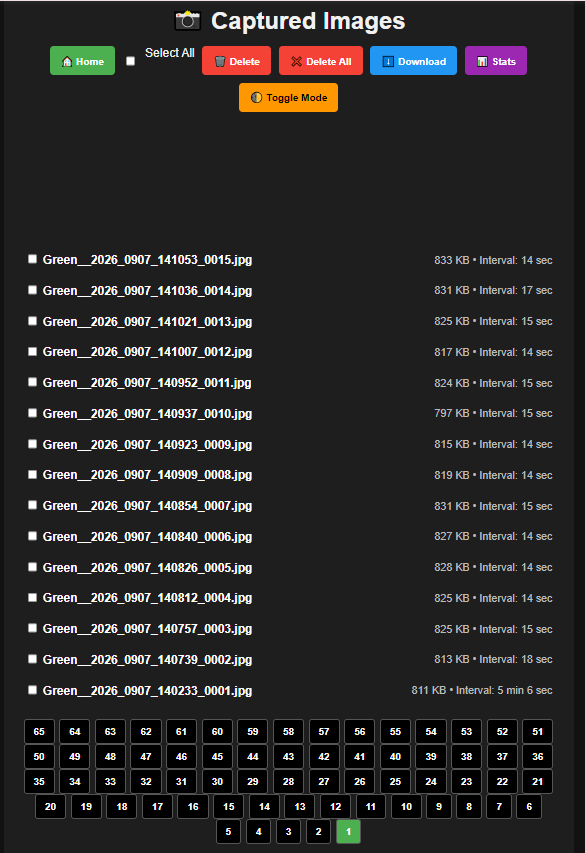
We record separate still frames. If a camera fails on the 20th, every frame from the 1st to the 19th is still there, whole.
Any single day, on request
Because every frame is its own full-resolution file, you can ask for the 12th of March at any time and use it in a report, a board presentation, or as a record.
Re-cut for as long as the project runs
One minute or three, faster or slower, Full HD or 4K, as many versions as you need — all from the same set of frames. A system whose source is video cannot do this.
Controlled from the office, not the site
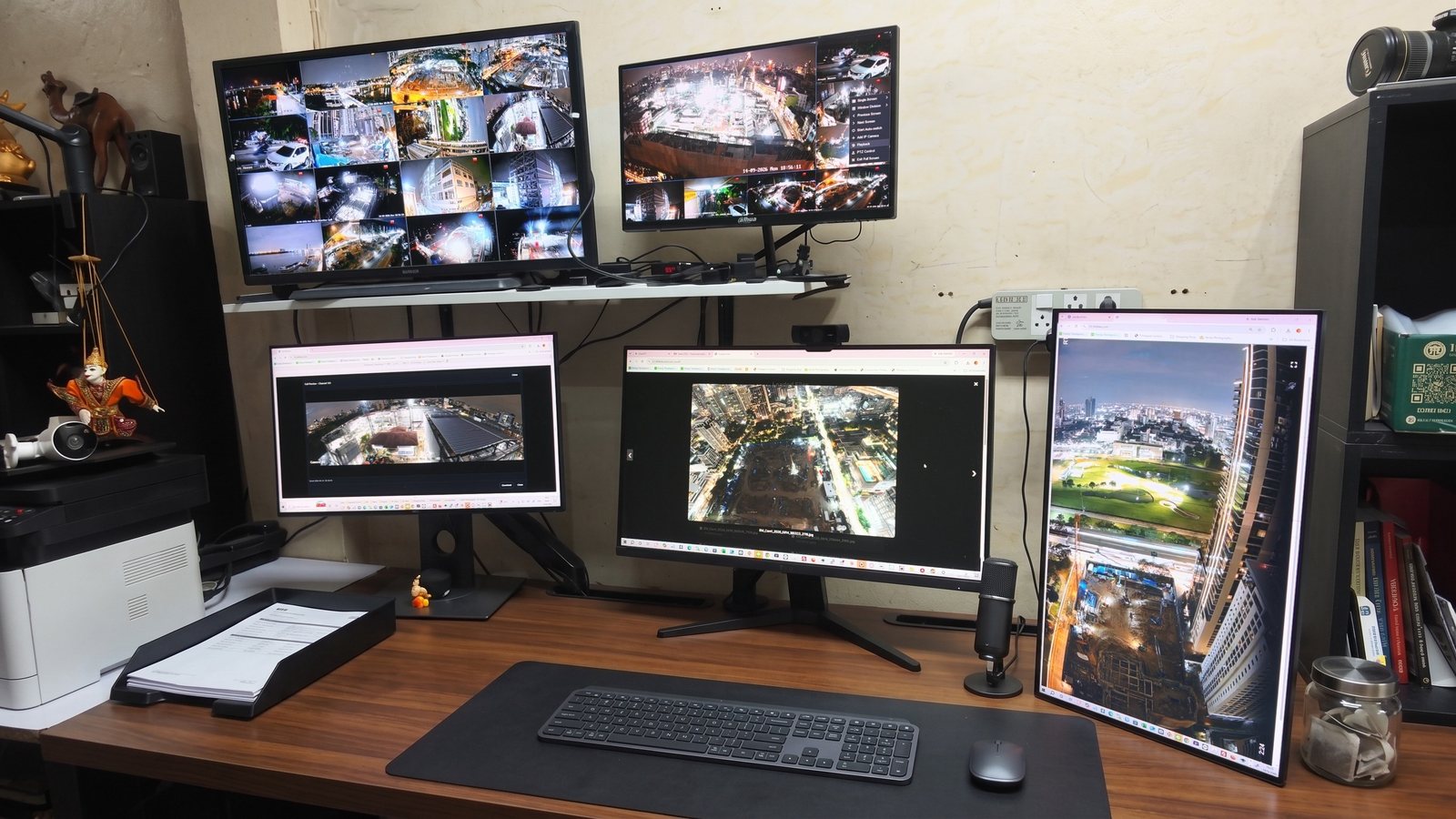
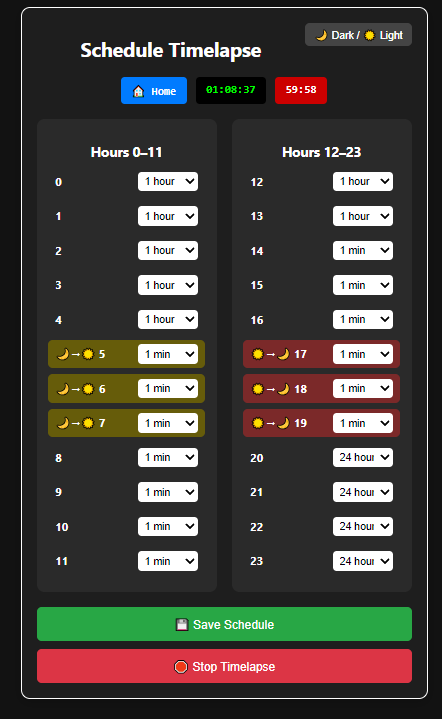
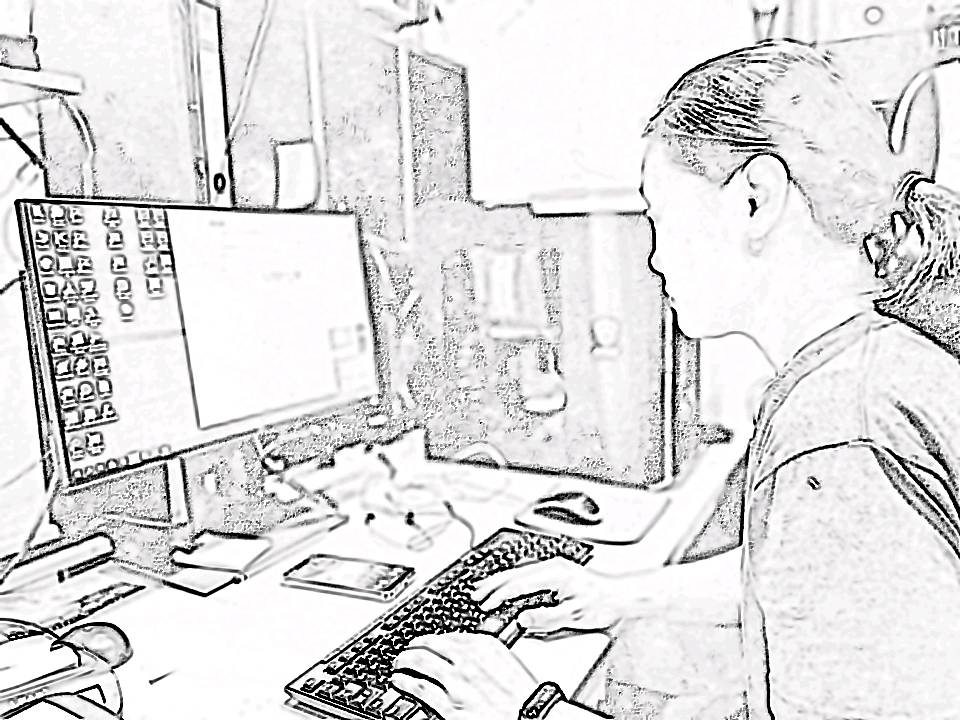
Every camera is reachable over VPN, so the interval can be changed at any time. Faster while the structure is going up, slower through a fit-out that changes little from week to week.
A system fixed at one interval ends up with ten thousand near-identical frames, or too few at the moment that mattered.
Three levels to choose from
DSLR — the highest resolution, recording both JPEG and RAW, for work where frames will be enlarged or used in publicity.
4K industrial camera — the best value for long-term progress recording, in standard and 180-degree wide-angle for sites that need the whole area in one frame.
Camera rental — for smaller projects or tighter budgets.